What to wear on a Longyearbyen day tour
Svalbard is cold for most of the year, and every one of these tours puts you somewhere colder than your hotel lobby. Some operators lend you the outer layer, others leave it to you. Below is the list we would pack, with notes on what each tour already supplies.
Dressing for two seasons
Svalbard swings between the polar night, roughly from late October to mid-February, and the bright months of midnight sun from about late April to late August. The cold stays in both, while the light changes everything else you pack.
Layers beat one thick coat. You warm up quickly in a van or a mine workshop and cool down just as fast at a viewpoint, so being able to add and remove clothing matters on all the day trips from Longyearbyen we compare.
The 11-item list
We sorted the list from the skin outward, then added the small items people tend to forget at the hotel. Apart from the boots and the shell, most of it fits a normal day bag.
- A thermal base layer, top and bottom, in wool or a synthetic fabric rather than cotton
- A warm mid layer, such as a fleece or a light down jacket
- A windproof outer shell, jacket and trousers, since wind is what makes the cold bite
- Insulated winter boots, or waterproof hiking boots in summer when the ground is wet
- A hat that covers your ears fully
- Mittens, plus thin gloves underneath for handling a camera or phone
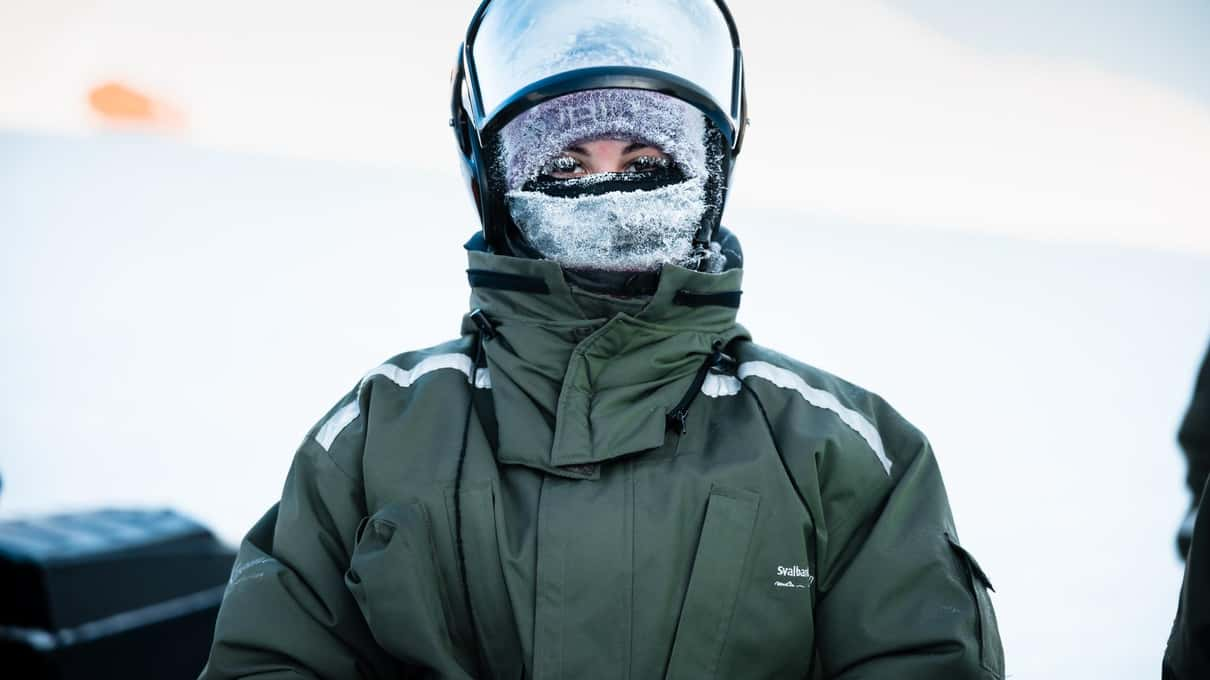
- A buff or a balaclava to protect your face from wind
- A headlamp in the dark season
- Sunglasses for the bright season and snow glare
- Ear plugs for the snowmobile, whose engines are loud for hours
- A power bank, because cold drains phone and camera batteries fast
Wool socks are part of the boot item, not an extra. Bring a spare pair in your bag on long days, since damp socks are the quickest way to cold feet.
Under the miner's overall
On the Mine 3 tour you put on a miner's overall, helmet and headlamp, all supplied. Reviewers say it is cold inside, with frost on the tunnel walls, and suggest keeping your own jacket on under the overall.
Wear sturdy shoes you can crouch and crawl in, because one section takes you into an old low tunnel. Read about the Mine 3 coal mine tour for the full visit in order.
The tour we would book first
Store Norske's three-hour visit to Mine 3, with overall, helmet and headlamp handed out and hotel pickup in town. Bring a warm jacket to wear underneath.
The Gruve 3 coal mine tour from ~$153 scores 4.8 from 520+ reviews and runs in both seasons as far as the listing shows. It is the trip on our list that needs the least special kit.
What the operators lend you
Several tours cover the outer layer, which saves you buying gear for one day. What they hand out differs a lot from trip to trip.
- Snowmobile to Barentsburg: overalls, boots, gloves and a helmet, plus the machine and fuel
- Pyramiden boat day: a drysuit and safety equipment for the open RIB boat
- Wildlife walk: ice spikes for your boots and a headlamp when needed
- Coal mine: an overall, helmet and headlamp
Even with a drysuit or overall on top, you still need warm layers beneath. The supplied kit blocks wind and water, while your own base and mid layers do the warming.
Notes for the long days
The snowmobile trip to Barentsburg from ~$604 lasts about 10 hours, and reviewers mention loud machines and say to bring snacks. Pack ear plugs and something to eat between the stops, even though lunch is included.
On the Pyramiden boat day from ~$563, a fast open boat creates its own wind chill. A hat, a buff and mittens make the crossing far easier. Our page on the snowmobile day covers its winter counterpart.
Night shoots and slow walks
The northern lights trip asks you to bring a camera, a charged phone and a tripod. Standing still at night is colder than walking, so wear one more layer than feels necessary, and keep spare batteries in an inside pocket.
See our guide to northern lights tours for the camera side. The wildlife walk is slow too, with up to 3 hours outdoors and boots that change with the season, as the listing explains.
The bright season is not warm
Under the midnight sun the snow melts in the valleys and the tundra turns soft and wet. You swap insulated boots for waterproof hiking boots, but the windproof shell and a hat stay in the bag.
Sunglasses become useful here, with light around the clock and glare from water and old snow. Our page on the best time to go sets each season against the tours that run then.
Carrying it all
A small backpack works better than a shoulder bag, because you need both hands on a snowmobile, a boat rail or icy ground. Keep the phone and power bank close to your body, where they stay warm.
A thermos is welcome on long days, though several trips already serve warm drinks. On the Seed Vault drive the guide pours a hot drink and offers a snack, and on the wildlife walk warm soft drinks wait in the van.
Before you leave the hotel
Check the listing of your trip for anything specific, and dress before pickup rather than in the van. Most operators collect you from hotels and guesthouses in town, and the drive out is short.
Prices on Svalbard are high, so a full Arctic outfit for one trip rarely pays off. Borrow what the operator lends. Then see the Longyearbyen tour we would book first.
The other trips each ask for something slightly different, from ear plugs to a tripod. Browse the Svalbard day tours from Longyearbyen by season and length, then pack for the one you pick.